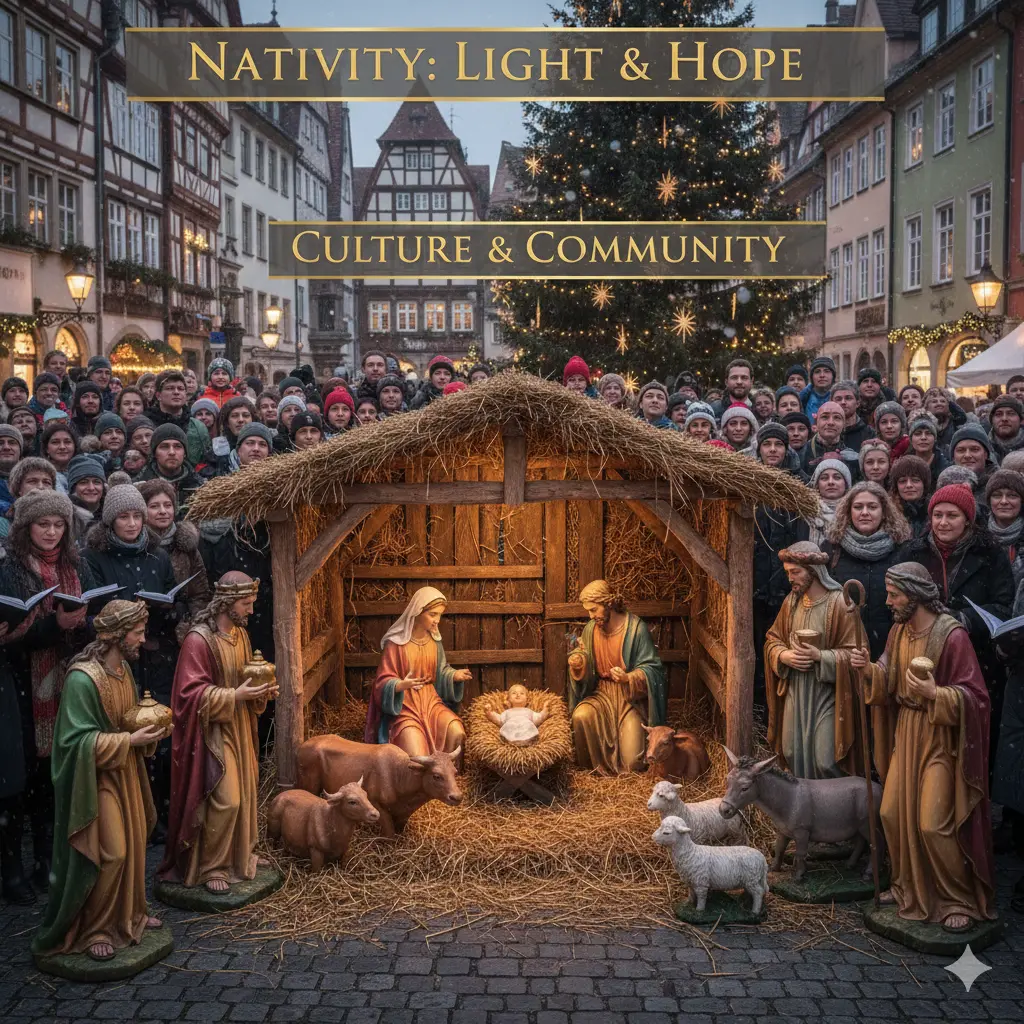

The Nativität or birth of Jesus, is at the heart of culture Christian tradition. According to the Gospels of Luke and Matthew Mary and Joseph traveled to Bethlehem, where Jesus was born in a humble manger or stable. Shepherds, angels, and the wise men, or Magi witnessed this miraculous event, each symbolizing different aspects of hope, faith, and humility. Apocryphal sources also add depth to the story, revealing cultural interpretations of the Holy Family.
The Nativity scene captures these elements helping families communities, and churches celebrate Christmas while reflecting on its spiritual and theological significance
Early History of Nativity Scenes
Nativity scenes have a rich history, beginning with early Christian art and medieval depictions of the birth of Jesus. St. Francis of Assisi is credited with creating the first live Nativity in 1223 at Greccio, Italy, inspiring communities worldwide. Over time, regional traditions emerged, such as the Italian presepio and Polish szopka. These historical displays captured the Holy Family, shepherds, angels, and animals, blending religious symbolism with local culture, laying the foundation for the Nativity scenes we celebrate today
Types of Nativity Displays
Nativity displays come in many forms, from traditional hand-carved figurines to three-dimensional and dynamic scenes. Static Nativity scenes showcase the Holy Family 1 shepherds, angels, and wise men, while interactive or digital displays engage viewers in modern ways.
Regional variations, like Italian presepio or Polish szopka, highlight unique cultural artistry. Museums, churches, and families often choose between small tabletop sets and elaborate large-scale exhibits, allowing the Nativity to inspire reflection, storytelling, and celebration across generations.
Cultural Significance Around the World
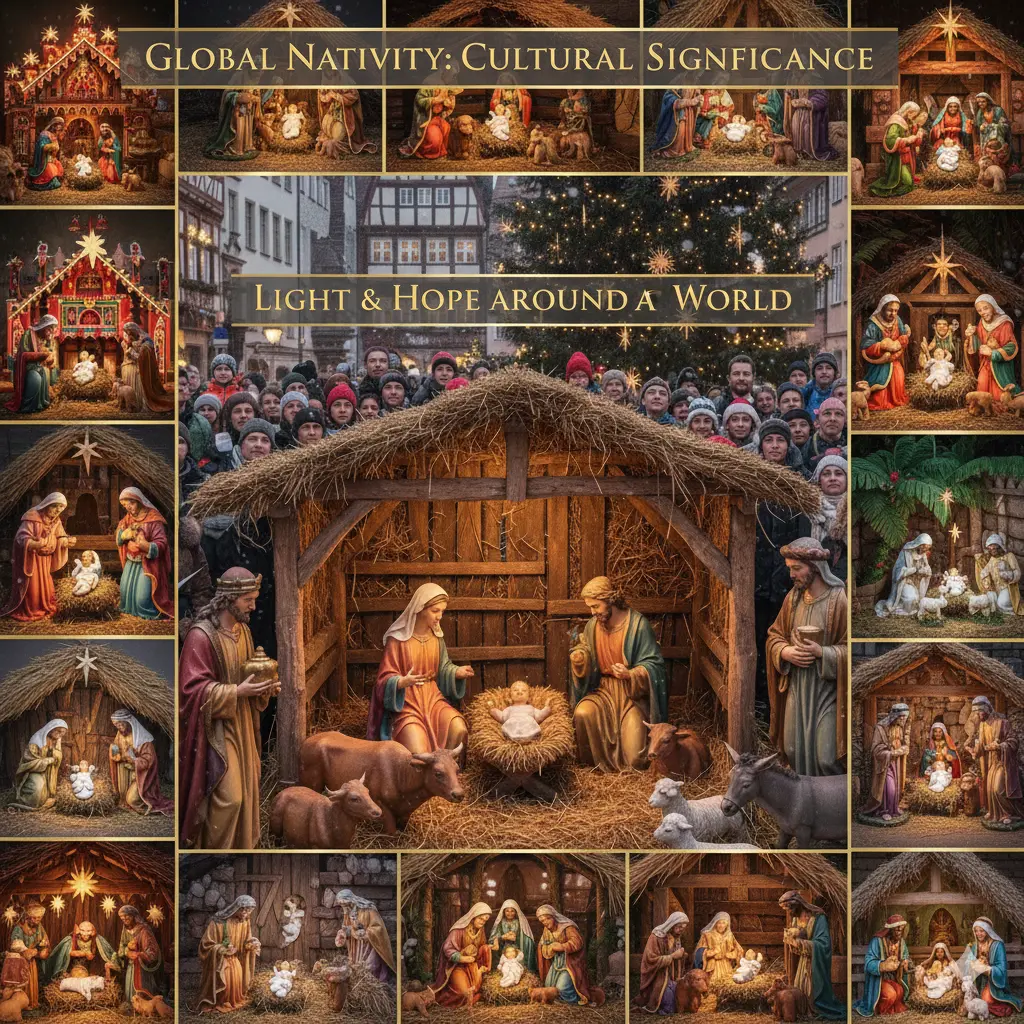
Nativity scenes reflect diverse cultural traditions worldwide. In Italy, the presepio showcases intricate craftsmanship, while Polish szopka adds colorful, architectural flair. Latin America, Africa, and Asia adapt Nativity displays to local customs, incorporating community rituals and family storytelling.
These variations honor the birth of Jesus while celebrating cultural heritage. Beyond religious significance, Nativity scenes inspire art, music, and festive decorations, connecting people across generations and regions while preserving the spiritual symbolism and universal message of hope and humility.
Modern Adaptations
Modern Nativity displays go beyond traditional scenes, blending creativity, technology, and education. Families and museums use interactive setups, digital Nativity experiences, and DIY Nativity crafts to engage children and visitors. Nativity plays, Christmas pageants, and themed decorations bring the birth of Jesus to life in homes, schools, and communities.
These adaptations preserve the spiritual symbolism of the Holy Family while making the Nativity accessible and relevant for contemporary audiences, ensuring its cultural and educational impact continues across generations.
Symbolism and Spiritual Meaning
The Nativity carries deep spiritual and symbolic meaning. The Holy Family represents humility, faith, and love, while shepherds and wise men embody devotion, guidance, and hope. Angels signify divine presence, and animals highlight simplicity and connection to nature.
Nativity scenes inspire reflection on the birth of Jesus and its lessons for family, community, and personal growth. Through art, literature, and music, the Nativity continues to convey timeless values of peace, generosity, and spiritual renewal
How to Display Your Nativity
Displaying a Nativity scene can be both meaningful and creative. Choose a central spot at home, school, or church to highlight the Holy Family, shepherds, angels and wise men. Combine traditional figurines with decorative elements like lights, greenery, or a miniature stable.
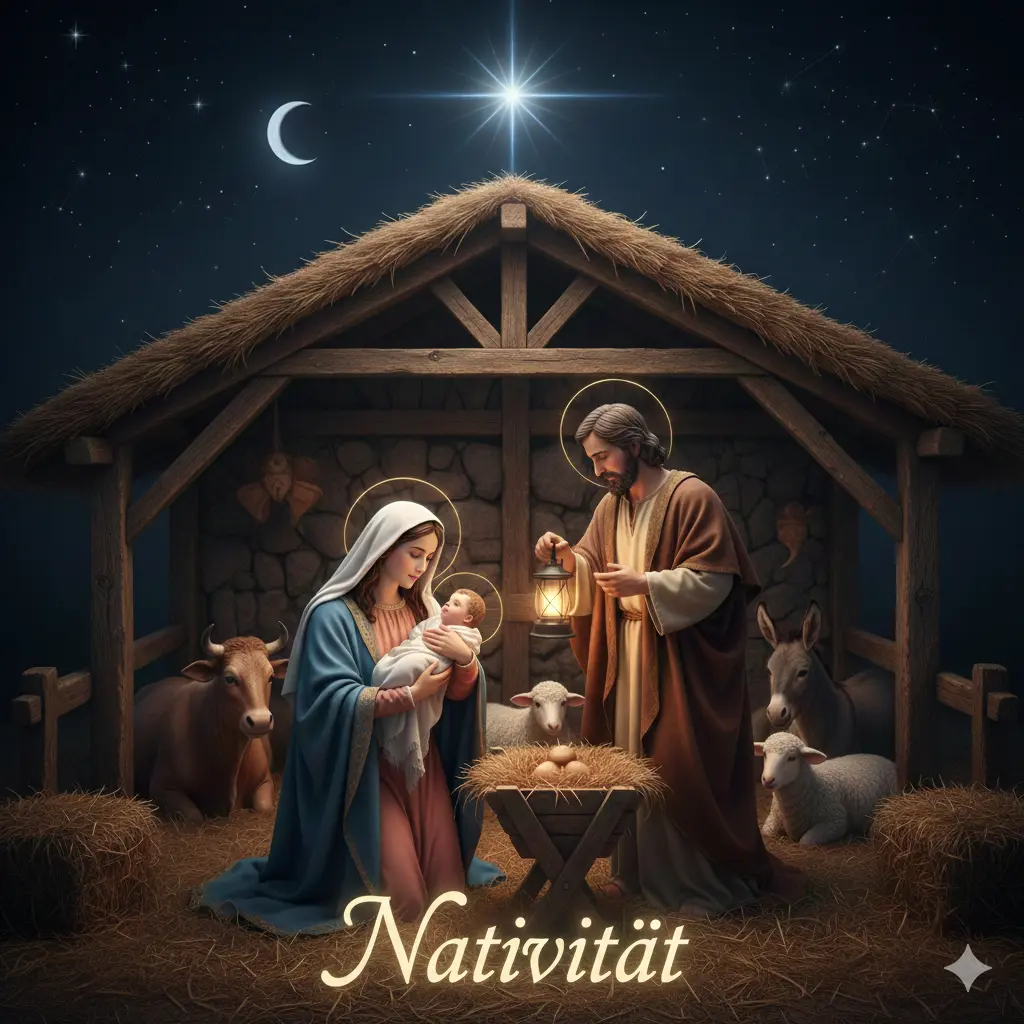
Consider cultural or regional touches, such as Italian presepio details or Polish szopka designs. Thoughtful placement and storytelling help families and communities celebrate the birth of Jesus while preserving the spiritual and cultural significance of the Nativity.
Common Mistakes and Misconceptions
Many Nativity displays unintentionally misrepresent the biblical story. Common mistakes include incorrect placement of the Holy Family, missing figures like shepherds or angels, or overemphasizing commercial decorations.
Misinterpretation of symbolism, such as the meaning of the manger or the gifts of the Magi, can also occur. To preserve authenticity, refer to Gospel accounts, include key figures, and respect cultural traditions. Thoughtful planning ensures your Nativity scene reflects both historical accuracy and the spiritual significance of Jesus’ birth
FAQS
What is a Nativity scene?
ti depicts the birth of Jesus, featuring the Holy Family, shepherds, angels, and wise men.
Where did Nativity scenes originate?
Early Christian art and St. Francis of Assisi’s 1223 live Nativity inspired them.
Why are Nativity scenes important?
They teach humility, faith, and hope while celebrating Christmas traditions worldwide.
How can I display one?
Use traditional figurines, creative setups, or modern DIY and digital displays to reflect cultural and spiritual significance.1