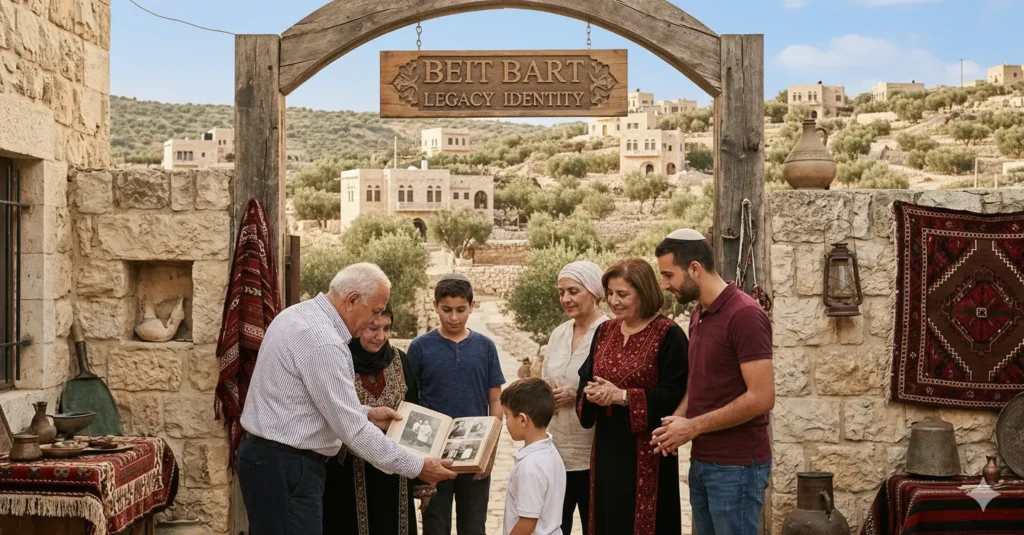

Beit Bart is more than just a house—it is a symbol of legacy, culture, and identity that resonates across generations. In a world where heritage and belonging are increasingly important, Beit Bart reminds people of their roots and family lineage.
These ancestral homes preserve traditions, stories, and cultural memory, offering a sense of belonging that transcends geography. From its architectural design to its role in community life, Beit Bart reflects both history and modern relevance. Today, it captures global attention as a representation of enduring family identity and cultural heritage.
The Story Behind Beit Bart
Beit Bart has a rich history that reflects family legacy and cultural heritage. These ancestral homes were built to preserve traditions, lineage, and community ties across generations. Over time, Beit Bart became more than a physical structure—it evolved into a symbol of identity, belonging, and cultural memory. Stories passed down through families highlight its significance, showcasing how heritage, rituals, and shared experiences shape both personal and collective identity, making Beit Bart a cherished symbol of continuity and legacy.
Understanding the Cultural Layers of Beit Bart
Beit Bart embodies multiple cultural layers that connect families to their heritage and identity. It represents not just a home, but a space where traditions, values, and family stories are preserved and celebrated. These ancestral homes reflect lineage, social customs, and communal life, reinforcing a sense of belonging. By maintaining Beit Bart, families honor both personal and collective memory, ensuring that cultural practices, ancestral wisdom, and heritage continue to shape identity across generations.
The Architecture That Tells a Story
The architecture of Beit Bart reflects both heritage and identity. Stone walls, wooden beams, spacious courtyards, and handcrafted details showcase traditional craftsmanship and cultural symbolism. Each design element tells a story of family legacy, community life, and ancestral values. Interiors often include patterns and decorations that represent lineage and heritage.
These architectural features not only provide a functional home but also preserve cultural memory, making Beit Bart a living symbol of tradition, identity, and the history of the families who built and lived in it.
Community, Memory, and the Social Heart of Beit Bart

Beit Bart has always been more than a home; it serves as the social and cultural heart of families and communities. These ancestral houses hosted gatherings, celebrations, and shared traditions, preserving stories and values across generations. By bringing people together, Beit Bart strengthens family bonds and community ties. It acts as a living memory, connecting the past with the present, ensuring that cultural identity, heritage, and a sense of belonging continue to thrive for future generation
Beit Bart in Literature
Beit Bart often appears in literature, folklore, and oral storytelling, highlighting its cultural and symbolic significance. Tales of ancestral homes, family traditions, and local legends keep the history of Beit Bart alive. These stories convey values, identity, and heritage, passing them from one generation to the next.
Through narratives and folklore, Beit Bart becomes more than a physical home—it transforms into a symbol of memory, belonging, and the enduring connection between families, culture, and community.
Identity and Belonging in the Age of Migration
For families living far from their ancestral lands, Beit Bart serves as a powerful link to heritage and identity. These homes preserve cultural traditions, family stories, and a sense of belonging, even across distances. In diaspora communities, Beit Bart helps maintain lineage and collective memory, allowing individuals to connect with their roots.
By honoring these ancestral homes, families reinforce identity, celebrate heritage, and ensure that cultural values and family legacy continue to thrive despite migration and global change.
The Economics of Heritage
Heritage homes like Beit Bart carry both cultural and economic value. Maintaining and restoring these ancestral houses requires investment in craftsmanship, materials, and skilled labor. Preservation can also support local economies through tourism, cultural projects, and artisan work. By valuing these homes economically, communities ensure that traditional skills and heritage are sustained.
Investing in Beit Bart not only protects family legacy and cultural identity but also promotes economic opportunities linked to heritage preservation and the continued celebration of ancestral traditions.
Strategies for Preserving Beit Bart for the Future
Preserving Beit Bart requires careful planning and community effort. Families and local organizations can combine traditional restoration techniques with modern methods to maintain structural integrity and cultural authenticity. Education programs help younger generations understand their heritage, while community initiatives and government support ensure sustainable conservation.
Promoting awareness, documenting family histories, and supporting skilled artisans are also key strategies. These efforts protect both the physical home and the legacy it represents, ensuring that Beit Bart continues to preserve heritage, identity, and family tradition for the future.
Digital Future
Technology offers new ways to preserve Beit Bart and its cultural heritage. Digital archives, 3D mapping, and virtual tours allow ancestral homes to be documented and shared globally.
AI and online platforms help record family histories, traditions, and architectural details, ensuring they are not lost. By combining technology with traditional preservation, communities can protect both the physical structure and the intangible legacy. This approach strengthens cultural identity, connects future generations to their roots, and keeps heritage alive in a modern world.
FAQs
What is Beit Bart?
Beit Bart is an ancestral home symbolizing family legacy, cultural heritage, and identity.
Why is it significant?
It preserves traditions, lineage, and shared memories across generations, strengthening a sense of belonging.
How does it connect to diaspora communities?
Even far from their homeland, families use Beit Bart to maintain cultural roots and heritage.
How is it preserved today?
Through restoration, community efforts, education, and digital documentation, Beit Bart continues to honor family legacy and cultural identity.