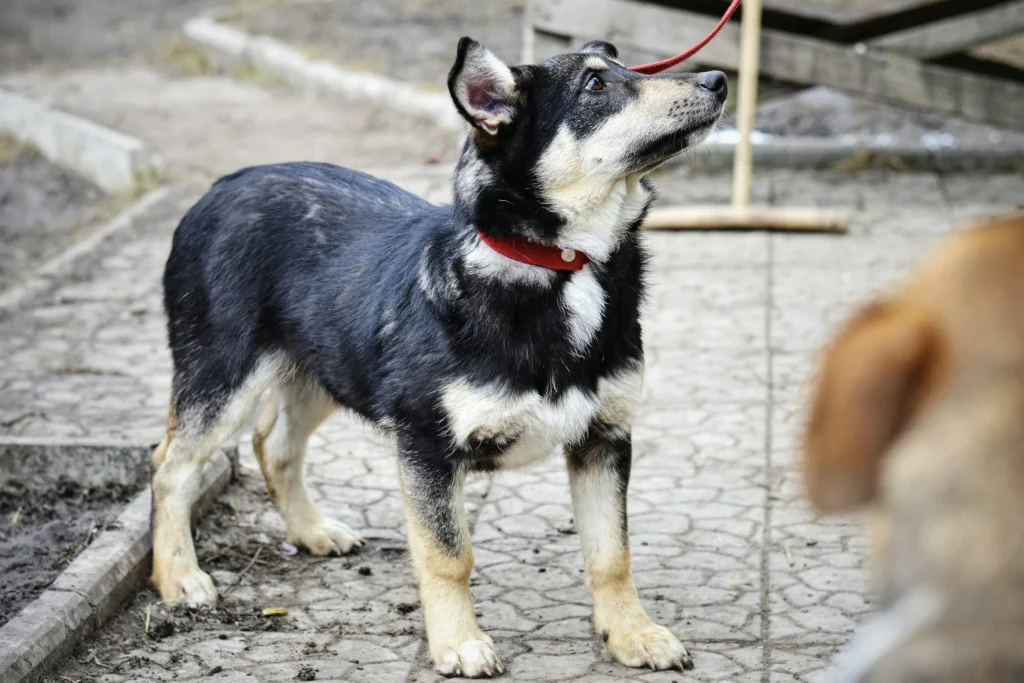

Valplekar is a Swedish term that refers to puppy play designed to support a puppy’s development in a fun and structured way. Unlike ordinary play, valplekar focuses on activities that help young dogs grow physically, mentally, and socially.
Through puppy play development, puppies learn important skills such as socialization, confidence, and self-control, while also improving coordination and muscle strength. Whether it’s structured games like fetch or unstructured exploration, valplekar encourages healthy interaction with humans and other puppies, making it a vital part of raising a happy, well-adjusted dog.
Why Puppy Play is Essential for Development
Puppy play development, especially through valplekar, is more than fun it’s crucial for a puppy’s growth. Structured and unstructured play helps improve physical development, mental stimulation, and social skills.
Puppies learn important behaviors like self-control, emotional regulation, and confidence while interacting with humans and other dogs. By including daily puppy play activities and using age-appropriate games, valplekar supports healthy behavior, strengthens bonds, and lays the foundation for a well-rounded, happy, and social puppy.
Types of Valplekar
Valplekar includes different types of puppy play development to help your puppy grow healthy and confident. Structured play involves guided games like fetch, basic obedience exercises, and problem-solving activities, improving mental stimulation and physical development.
Unstructured play allows free exploration, social interaction, and spontaneous fun, fostering creativity and emotional growth. Interactive human-puppy play strengthens bonding and teaches social skills. Using a mix of these play types ensures your puppy develops confidence, self-control, and good behavior naturally.
Practical Valplekar Activities & Examples
Bringing valplekar to life involves fun puppy play activities that support growth and development. Simple games like fetch, tug-of-war, hide-and-seek, and puzzle toys improve mental stimulation and physical development. Obstacle courses help with coordination and confidence, while interactive play with humans teaches social skills and strengthens bonding.
Tailoring activities to your puppy’s age and energy ensures they gain the full benefits of valplekar, including better behavior, self-control, and a happy, confident personality.
Daily Routine for Valplekar Play
Creating a daily valplekar routine helps your puppy thrive in both physical and mental development. Short, frequent sessions of structured and unstructured puppy play activities ensure steady socialization, confidence, and self-control. Observe your puppy’s energy and adjust playtime accordingly to avoid overstimulation. Combining interactive human-puppy games, puzzle toys, and outdoor exploration strengthens bonding while promoting healthy behavior. Consistent daily valplekar sets the foundation for a happy, well-adjusted, and confident puppy.
Common Mistakes to Avoid in Puppy Play
Even with valplekar, mistakes can hinder your puppy’s development. Avoid overly long or rough play sessions that can cause stress or injury. Ignoring mental stimulation and failing to include both structured and unstructured puppy play activities can limit learning and social growth. Inconsistent routines may reduce confidence and proper behavior. Always supervise play, choose age-appropriate games and toys, and ensure a balanced daily schedule to help your puppy thrive physically, mentally, and socially.
Advanced Tips for Enhancing Puppy Development Through Play
To maximize puppy play development, combine valplekar with early training cues. Track progress by observing behavior, confidence, and socialization skills during structured and unstructured puppy play activities. Introduce new challenges gradually, such as puzzle toys, obstacle courses, or interactive games with humans and other dogs. Using play to reinforce self-control, mental stimulation, and physical growth ensures your puppy develops a balanced personality, strong bonding, and healthy emotional regulation, laying the foundation for a confident, happy dog.
Toys, Tools, and Resources for Effective Valplekar
Using the right tools enhances puppy play development. Interactive toys, puzzle feeders, and soft chew toys provide mental stimulation while promoting physical growth. Obstacle courses and agility setups encourage coordination and confidence. Age-appropriate toys ensure safety and maximize engagement during both structured and unstructured puppy play activities. Books, guides, and online resources on valplekar offer tips for new games and routines, helping owners foster bonding, good behavior, and a well-rounded, happy puppy.
FAQS
How often should I do valplekar with my puppy?
Short, frequent sessions—about 10–15 minutes several times a day—work best for steady puppy play development and socialization.
Can valplekar help shy puppies gain confidence?
Yes! Structured and interactive puppy play activities build confidence, social skills, and trust with humans and other dogs.
What’s the difference between structured and unstructured play?
Structured play follows guided activities like fetch or puzzle toys, while unstructured play allows free exploration, creativity, and spontaneous fun.
How can I avoid overstimulation during play?
Observe your puppy’s energy, provide breaks, and use age-appropriate toys to maintain healthy behavior and emotional regulation.
Can valplekar replace training sessions?
No, but it complements training by enhancing mental stimulation, social skills, and overall puppy development.


